Umami, the savory, mouthwatering “fifth taste,” is found naturally in many ingredients and also in MSG, the purified version of glutamate, which has been a subject to intense debate.
Have you ever tasted a slow-simmered bone broth so rich, an aged Parmesan cheese so complex, or a ripe tomato so deeply flavorful that you couldn’t quite put your finger on why it tasted so satisfying? That elusive depth isn’t magic; it’s science.
It is the territory of umami, the so-called ‘fifth taste,’ and its most famous—and often debated and misunderstood—delivery mechanism, MSG.
For decades, these terms have caused confusion in grocery aisles and kitchens alike. Are they the same thing? Are they safe? Before you check a label in a panic, let’s take a trustworthy look at what these powerful culinary tools actually are. Understanding them is key to unlocking richer flavors in everything from soups and stews to plant-based dishes that need a savory boost.
The Ingredients: The Glutamate Connection
To understand the relationship between MSG and umami, it is important to examine the underlying chemistry. They are not the same thing, but they are inextricably linked by one amino acid: glutamate.
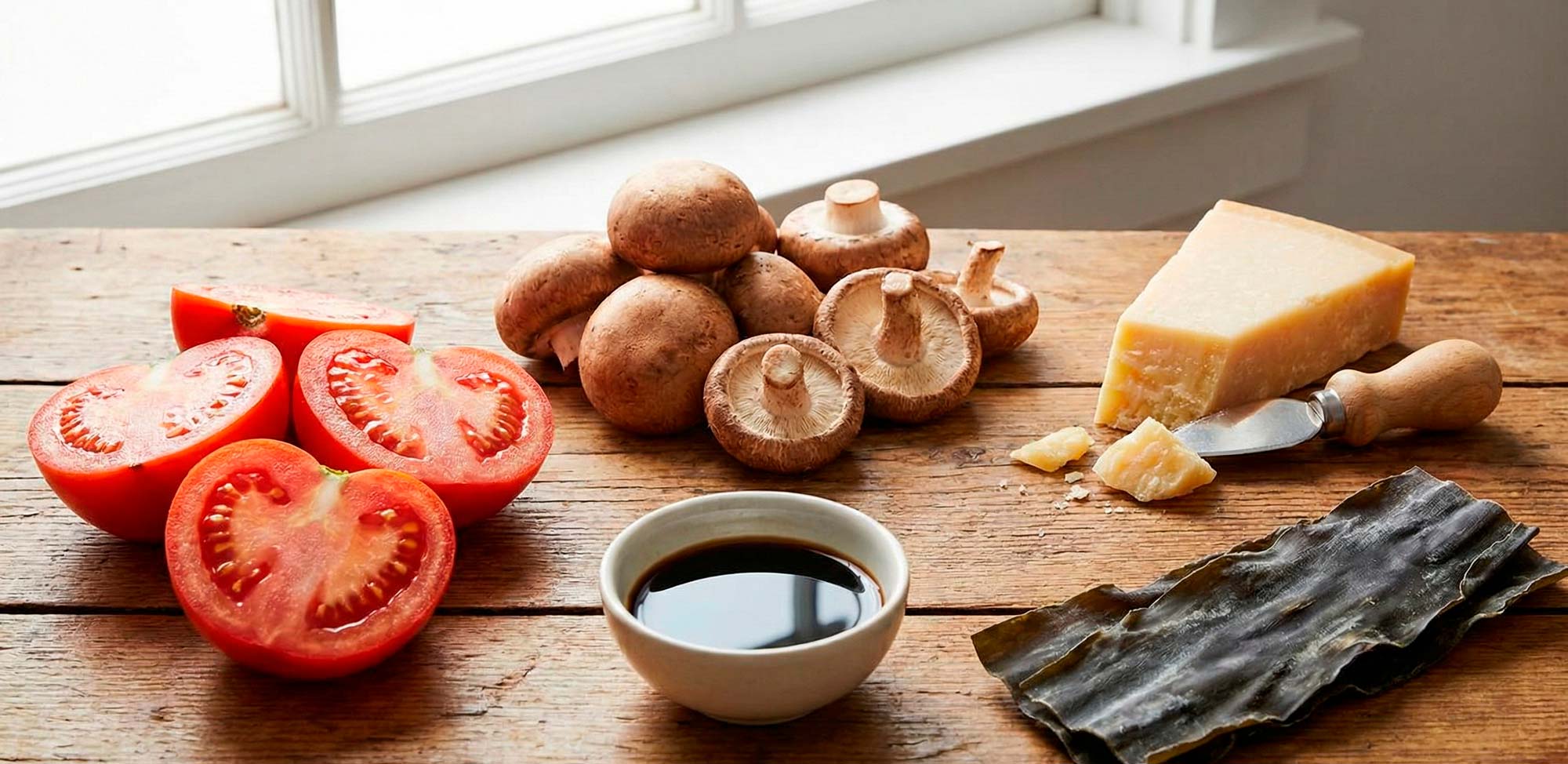
- What is Umami? Umami (a Japanese word roughly translating to ‘pleasant savory taste’) is not an ingredient you buy in a bottle. It is a core taste. The sensation is triggered primarily by glutamate, found abundantly and naturally in foods like cured meats, mushrooms, and soy sauce.
- What is MSG? MSG stands for Monosodium Glutamate. It is simply one atom of sodium attached to the amino acid glutamate. While it sounds complex, it is essentially a purified, crystallized version of the savory flavor found in a steak or a piece of seaweed.
How They Enhance Food Preparation
Both natural umami sources and added MSG act as ‘flavor enhancers.’ They don’t just add their own flavor; they turn up the volume on the existing savory notes in a dish. Which option to use depends on personal preference.
In the kitchen, they increase the physical sensation of taste by stimulating saliva secretion—literally making your mouth water. This makes food feel richer and more ’rounded.’ According to experts at Healthline, the body metabolizes the glutamate in MSG exactly the same way it does the glutamate found naturally in a tomato.
The Synergy: Taste, Nutrition, and Preparation
When natural glutamates interact with other compounds (like those found in meat or fungi), a ‘synergy’ occurs that magnifies the flavor exponentially. This is why a beef and mushroom stew tastes better than either ingredient alone.
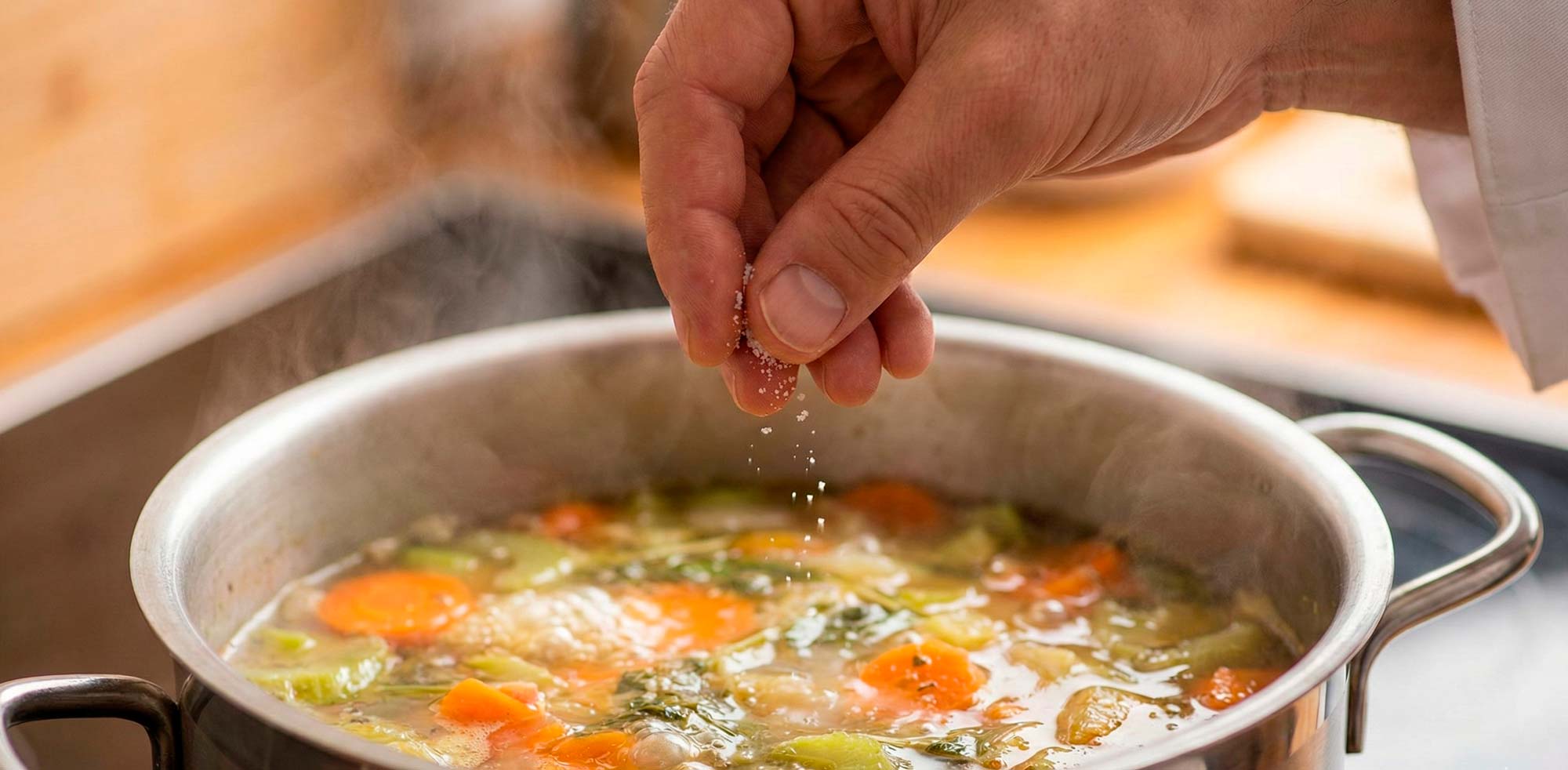
Interestingly, MSG can be a secret weapon for health. Because it amplifies savory flavor so effectively, it can trick the palate into thinking food is saltier than it is. Since MSG has two-thirds less sodium than table salt, using a pinch to replace some salt can help reduce overall sodium intake without making the food taste bland.
Why MSG or Umami May Be Unnecessary
While organizations like the Cleveland Clinic note that MSG is safe for the general population, it isn’t always the right choice:
- Clean Label Preference: Many home cooks prefer to get their ‘umami fix’ from whole foods like anchovies or sun-dried tomatoes rather than an additive.
- Sensitivities: While rare, some people report short-term sensitivity (like a mild headache). If you find you feel better avoiding it, you can easily build deep flavor using natural umami-rich ingredients instead.
- Controversy: We know the mention of MSG can still raise a few eyebrows. This controversy mostly stems from outdated 1960s myths and personal anecdotes that created a long-lasting stigma. While we completely understand why some consumers are cautious, major health organizations like the FDA and WHO have consistently confirmed that MSG is safe for the general population.
Conclusion: Navigating Uses and Challenges
MSG and umami are powerful tools. They are the secret behind crave-able foods and offer a pathway to making healthy, plant-based diets more enjoyable. The challenge lies in separating outdated myths from modern food science. Recognizing that chemically the glutamate in parmesan is the same as that in a shaker of MSG helps demystify some of the grocery store experience.
The Need to Know Your Ingredients
Ultimately, the goal is food literacy. Understanding the function of ingredients—why they are there and how they affect your body—empowers you to make better choices. Whether you choose to get your umami from a slow-roasted tomato or a dash of seasoning, knowing the science makes you a smarter consumer!
Ready to eat with confidence?
Stop guessing what’s in your food. The Honest About app simplifies complex labels, helping you understand exactly what you’re eating and why.
Download the Honest About App today and take control of your kitchen!