The human immune system is not a single entity; it’s a sophisticated, highly complex network that requires harmony and balance to function. When we talk about ‘boosting’ the immune system, we are really talking about supporting its intricate pathways so it can deploy its defenses efficiently.
Imagine a biological fortress: a sturdy structure is essential, but it also requires an energetic army, constant communication, and a vast arsenal. For context, we often discuss specific partnerships that build this structure—like how Vitamin D and Calcium assist with bone health. While Vitamin D ensures efficient calcium absorption, it also has a crucial immunomodulatory role that is just beginning to be understood. But we cannot build an army from bricks alone. Your immune response requires high-quality protein to construct and repair its network of cells, iron to transport oxygen (the basic energy for cell function), and selenium to protect cells from damage during high-stakes battles.
True biological resilience relies on a synergistic combination that works together from a nutrition-first approach. Let’s explore how to construct that defense.

The Pillars of Defense: Why Specific Ingredients are Essential
A truly effective immune-supporting diet provides a synergistic blend of raw materials. This section explains the scientific reasoning and importance of these essential ingredients.
- Vitamin C (Ascorbic Acid): A potent antioxidant that protects immune cells from oxidative stress and stimulates the production of white blood cells (leukocytes) to fight infection.
- Zinc: A trace mineral critical for the development and signaling of immune cells. Zinc deficiency is known to significantly impair both innate and adaptive immunity.
- Vitamin D (Cholecalciferol): Acts as an immune modulator, helping prevent the system from overreacting (inflammation) while enhancing the pathogen-killing effects of macrophages.
- Protein: The literal building block of life. Immune cells, antibodies, and signaling molecules are all constructed from proteins; insufficient intake directly impairs cellular deployment.
- Iron: Essential for oxygen transport via hemoglobin. This fuels the rapid metabolism immune cells need during activation and maturation.
- Selenium: A key component of antioxidant enzymes that protect immune cells from the “friendly fire” of oxidative damage generated during pathogen battles.
- There are many other nutrients that play a smaller role in your immune system’s health which are not covered in this blog.
Typical Foods and Nutrient Sourcing
To provide your biological fortress with its best ammunition, focus on complex, whole foods.
| Nutrient | Top Food Sources | Functional Benefit |
| Vitamin C | Red bell peppers, citrus, broccoli, strawberries | Cellular protection & WBC stimulation |
| Zinc | Oysters, pumpkin seeds, chickpeas, red meat | Intracellular signaling & defense coordination |
| Vitamin D | Fatty fish (salmon), egg yolks, safe sunlight | Immune modulation & inflammation control |
| Protein | Lean meats, lentils, quinoa, eggs | Antibody construction & tissue repair |
| Iron | Spinach, lentils, lean beef, tofu | Oxygen transport & immune cell energy |
| Selenium | Brazil nuts, tuna, halibut, cottage cheese | Antioxidant sentry & cell integrity |
Synthesis: How the Food Matrix Works Together
Nutrition is not about isolating variables; it is about the food matrix. How we prepare and consume these ingredients dictates their effectiveness.
Taste, Nutrition, and Preparation:
Maximizing synergy also affects your culinary approach. Many immune-supporting vitamins (like A, D, and E) are fat-soluble, meaning they require healthy fats (like olive oil or avocado) to be absorbed.
- The Synergy Hack: Consuming Vitamin C-rich foods (like peppers) alongside non-heme iron (like spinach or lentils) significantly increases iron absorption.
- Cooking Method: Lightly steaming or roasting vegetables preserves water-soluble nutrients (like Vitamin C) that are often lost in heavy boiling.
Understanding Sourcing and Dosing
Navigating nutrient density is a significant modern challenge. While whole foods are the primary source, modern agricultural practices can vary the nutrient levels in your food.
Dosing vs. Deficiency:
When boosting immunity through diet, the goal is appropriate intake, and not reaching toxic levels. Recommended Dietary Allowances (RDAs) provide a baseline to prevent deficiency, but optimization for high-performance immunity may require slightly higher, consistent intakes. However, exceeding the Tolerable Upper Intake Level (UL)—especially for minerals like Zinc, Iron, or Selenium—can cause toxicity or interfere with the absorption of other vital nutrients.
Conclusion: Uses and Challenges
Adopting a diet rich in these nutrients is a proactive step toward long-term resilience and faster recovery. However, maintaining this is challenging. Modern lifestyles prioritize convenience over density, and the proliferation of “fad” supplements often masks the need for the complex co-factors found in your food choices. True immune strength is a functional strategy, not just a caloric one.
The Need for Nutritional Literacy
To build a resilient foundation, we must evolve beyond passive consumption. Understanding the specific function and purpose of ingredients like Iron and Selenium is foundational. By mastering the science behind the food matrix, we empower ourselves to make precise decisions, turning every meal into functional fuel.
Get Honest About Your Food
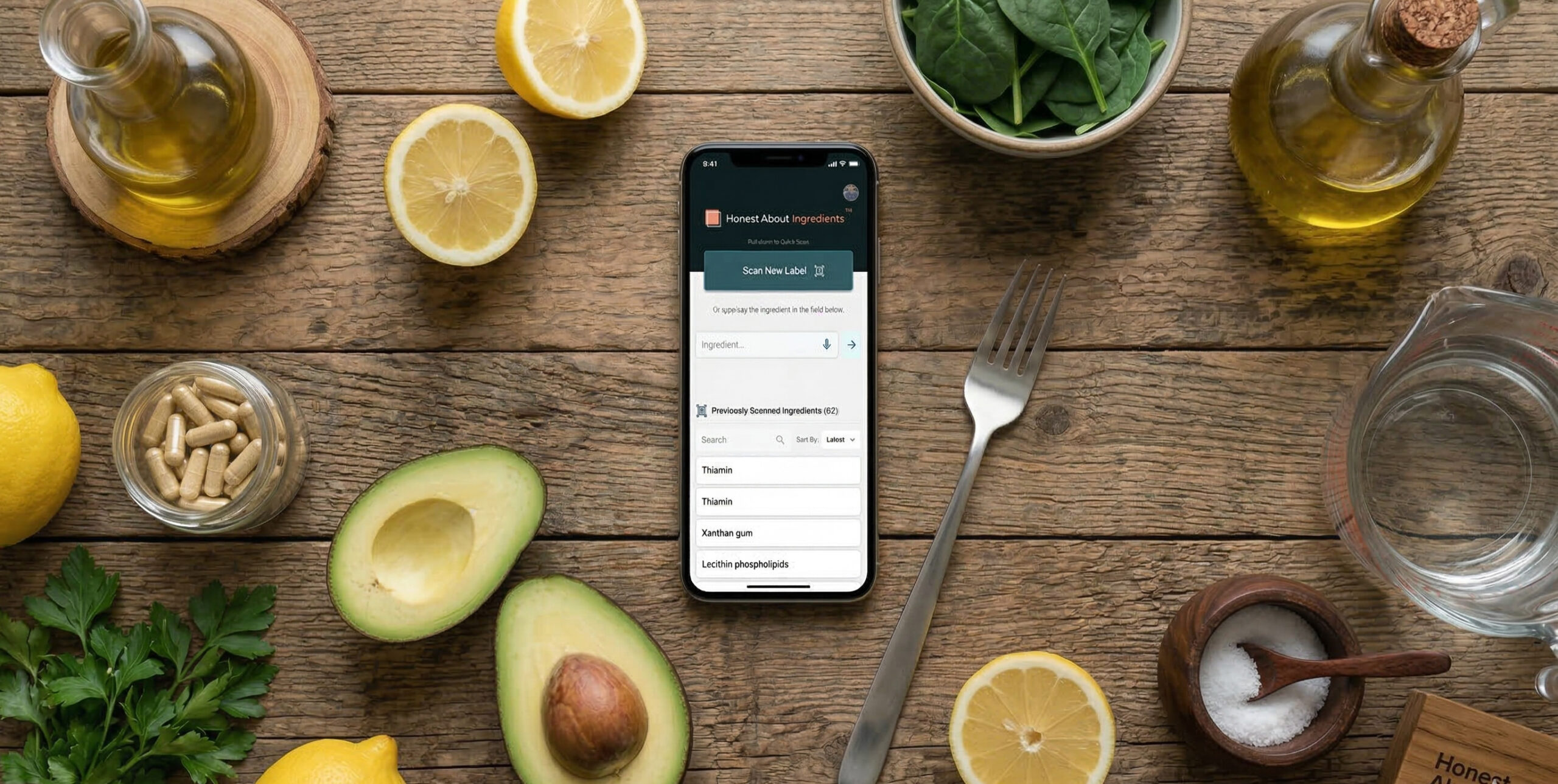
Navigating nutrient density shouldn’t be a guessing game. The Honest About app provides instant, scientifically vetted transparency.
- How to use it: Scan any product label or search for any ingredient.
- What you get: An instant analysis of the ingredient list, cross-referenced with established data to provide you with the necessary information about your nutrition.