Unlock enhanced liver and metabolic function by incorporating specific ingredients. Beyond merely tackling fatty liver, powerful ingredients such as Choline, Omega-3s, and Sulforaphane work synergistically to mobilize stored fats and counteract oxidative stress, thus promoting complete metabolic restoration.
Your liver is a silent powerhouse, executing over 500 vital functions every single day, from detoxifying your blood to regulating metabolism. But for the millions of people navigating the challenges of fatty liver, this crucial organ is facing an uphill battle against modern dietary choices. What if the solution wasn’t found in a magic pill, but deeply rooted in the food supply you interact with every day? Understanding the specific molecules and functional compounds found within whole foods can transform your kitchen into a sophisticated tool for metabolic restoration.
Fatty liver disease, particularly Non-Alcoholic Fatty Liver Disease (NAFLD), arises from an imbalance where fat accumulation in liver cells outpaces the organ’s ability to metabolize it. The right ingredients, however, can tip the scales. They function through several scientific mechanisms: reducing oxidative stress (which damages liver cells), improving insulin sensitivity, and directly facilitating the transport and breakdown of lipids (fats). By choosing these functional components, you aren’t just eating; you are providing your body with targeted biochemistry to support cellular repair and efficient metabolic signaling.
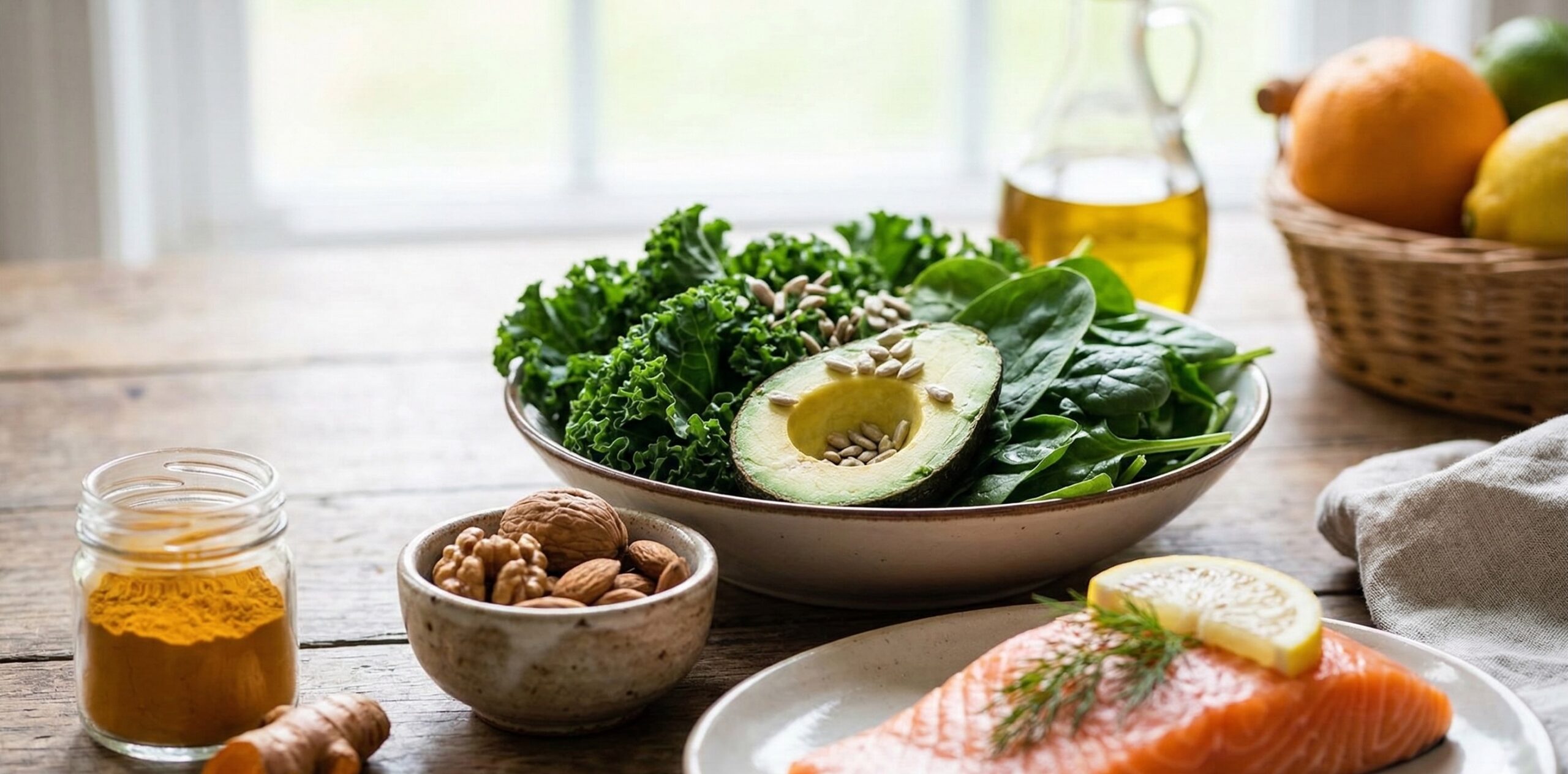
The Essential Toolkit: Ingredients That Fuel Your Liver
For optimal liver support, especially when addressing fatty liver, specific compounds are critical. These aren’t just arbitrary choices; they are identified through biochemical research.
- Choline: A critical precursor to acetylcholine (a neurotransmitter) and phosphatidylcholine, which is essential for transporting fats out of the liver. Without sufficient choline, lipids get trapped, accelerating fat accumulation.
- Omega-3 Fatty Acids (EPA & DHA): These powerful, anti-inflammatory fats, primarily found in marine sources, are scientifically shown to help reduce liver fat, lower triglycerides, and reduce inflammation, which is key to preventing the progression of fatty liver.
- Sulforaphane: A potent antioxidant activator found in cruciferous vegetables. It induces the liver’s Phase II detoxification enzymes, significantly increasing its ability to neutralize harmful substances and reducing oxidative damage.
- Curcumin: The active compound in turmeric, prized for its extreme anti-inflammatory properties. It helps mitigate the chronic inflammation that often accompanies NAFLD, protecting the liver tissue from scarring.
Harnessing Nature’s Biochemistry for Vitality
Integrating these ingredients goes beyond simply ticking a nutrient box; it’s a strategy for systemic health. They can work synergistically in a typical preparation.
Imagine a dinner of baked salmon (packed with Omega-3s), served alongside a generous portion of steamed broccoli with a sprinkle of chopped walnuts (a plant-based Omega-3 and Choline source). By steaming the broccoli, you preserve the sulforaphane-producing enzymes, which are heat-sensitive. The high lipid content of the salmon and walnuts simultaneously increases the absorption of the curcumin if you happen to season your salmon or a side dish with turmeric and black pepper (piperine, from pepper, boosts curcumin absorption by 2,000%). This synergistic approach maximizes the bioactive potential of every bite, combining delicious preparation with calculated nutritional function.
Navigating the Food Supply: Finding the Genuine Article
Knowing what you need is only half the battle. Our globalized food supply chain can obscure the true origin and nutritional density of ingredients. Many products are rich in these vital ingredients:
- Choline: Focus on whole eggs (especially the yolk), lean cuts of meat, and poultry. Plant sources include soybeans, quinoa, and cruciferous vegetables, but in lower concentrations.
- Omega-3s (EPA/DHA): Prioritize cold-water, fatty fish like wild-caught salmon, mackerel, and sardines. Algal oil supplements are excellent vegan alternatives providing EPA and DHA.
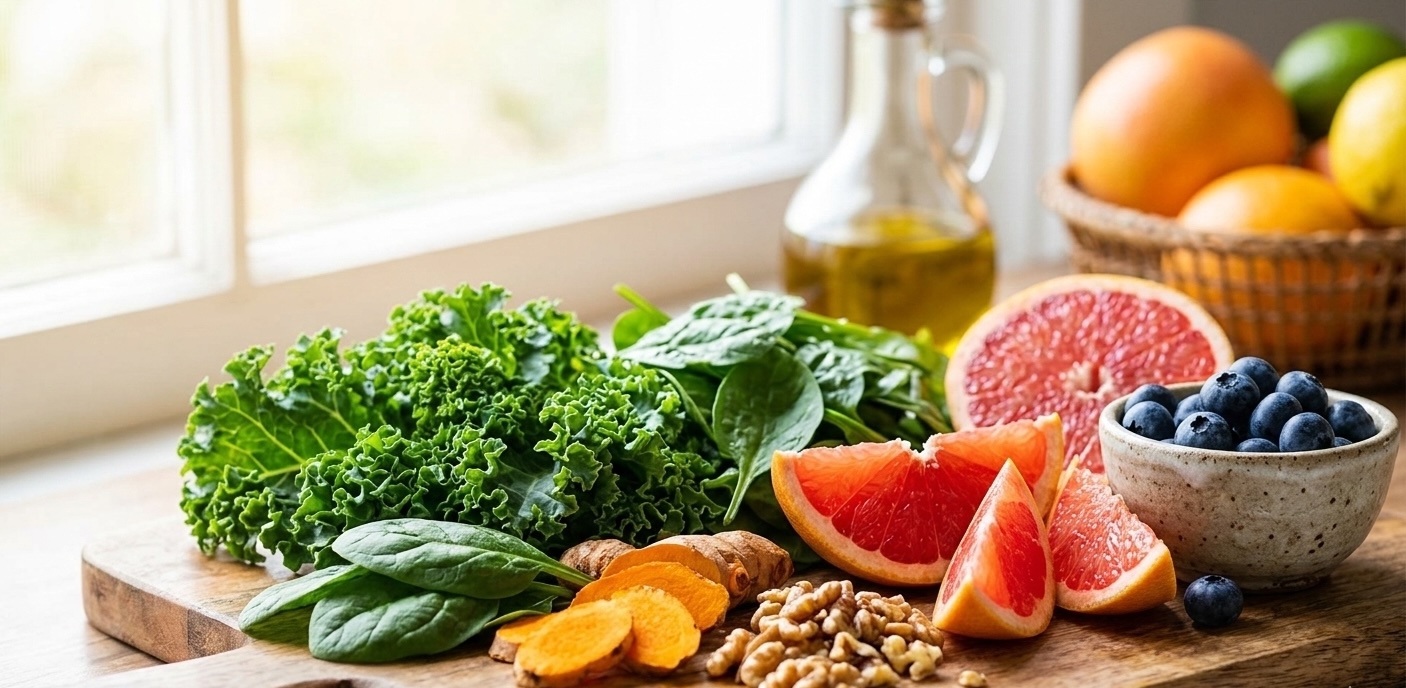
- Sulforaphane Precursors: These are highly concentrated in raw or lightly cooked cruciferous vegetables: broccoli (especially broccoli sprouts), Brussels sprouts, kale, and cauliflower.
- Curcumin: Find this in whole turmeric root (fresh, resembling ginger) or high-quality dried turmeric powder. For maximum efficacy, consider standardized extracts that ensure a reliable concentration of curcuminoids.
The critical challenge is navigating misinformation. Labels can be misleading – “all-natural” doesn’t always guarantee nutrient density. To ensure your liver gets the functional components it needs, the most dependable approach is to prioritize foods that are clearly labeled and have transparent sourcing.
Conclusion: The Strategic Path Forward
Implementing a food-as-medicine approach requires both strategic planning and practical adaptation. The primary challenge is often convenience and consistent execution. However, the uses are profound. This approach is not a short-term intervention but a foundation for sustained metabolic health, preventing the progression of undesired results and supporting the systemic vitality that flows from a healthy liver.
The modern landscape of available foods makes it easier than ever to consume compounds that stress the liver while depriving it of the molecules it requires for repair. Understanding the deep function of food ingredients is no longer a niche hobby; it is an essential survival skill in the 21st century. Your liver is a sophisticated metabolic factory; by understanding its biological needs, you empower yourself to provide the precise raw materials it requires to thrive. The power of functional nutrition lies in its ability to harness complexity for your long-term health.
Take Control of Your Health Journey
We’ve explored the complex biochemistry of liver health, but bridging the gap between scientific knowledge and your daily food choices can be the ultimate challenge. How do you track these specific functional ingredients? How can you ensure you are consistently sourcing and preparing foods in a way that truly benefits your liver? That’s where the right technology can provide critical clarity.
Take the guesswork out of navigating the grocery store and optimizing your intake. Use the Honest About app. Honest About provides detailed, transparent information on thousands of compounds and ingredients in products and foods. Discover exactly which items contain Choline, Omega-3s, and Sulforaphane precursors. Get the clarity you need and track your functional nutrient intake to build a lifestyle that supports real, measurable liver health. Don’t just guess about your nutrition; get the facts about it.