The Gluten Synthesis: Decoding the Science Behind the Grain

What if the “breadbasket of the world” is simply speaking a language your immune system hasn’t learned to translate yet?


The Modern Grain Mystery

For decades, gluten was just the “glue” that gave our sourdough its chew and our pastries their flake. But recently, our relationship with this ancient protein has shifted from a staple to a scientific puzzle. If you’ve felt that post-pasta fog or unexplained bloat, you aren’t imagining things—and you certainly aren’t alone.

Latest clinical data suggests that nearly 6% to 7% of the population may have some form of non-celiac gluten sensitivity, while Celiac disease diagnoses have risen significantly over the last 50 years. This isn’t a “fad” trend; it’s a biological intersection of genetics, microbiome health, and modern food processing. Today, we’re peeling back the microscopic layers of the wheat kernel to understand exactly what happens when grain meets gut.


The Biological “Why”: Understanding the Reaction

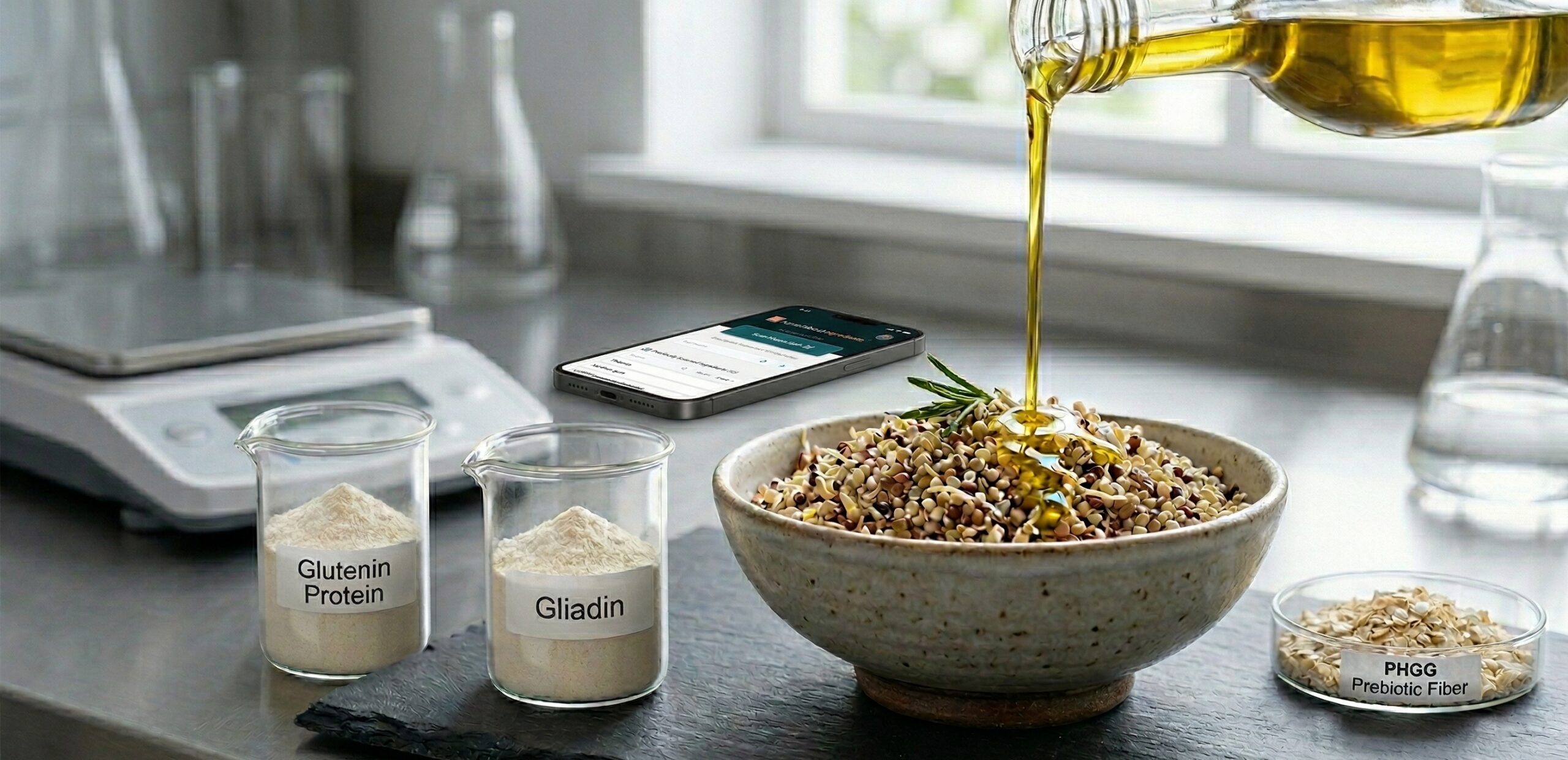
To understand why your body reacts to grain, we have to look at the chemistry. Gluten isn’t a single molecule; it’s a complex composite of two proteins: gliadin and glutenin.

The human body lacks the specific enzymes required to fully break down these proteins into their smallest amino acid components. In most people, these undigested fragments pass through the digestive tract harmlessly. However, for others, the body views these fragments as foreign invaders, triggering a range of physiological defenses.


Intolerance vs. Allergy: Knowing the Difference

It is a common misconception that all gluten reactions are the same. In reality, your body has very different ways of saying “no thanks” to wheat.


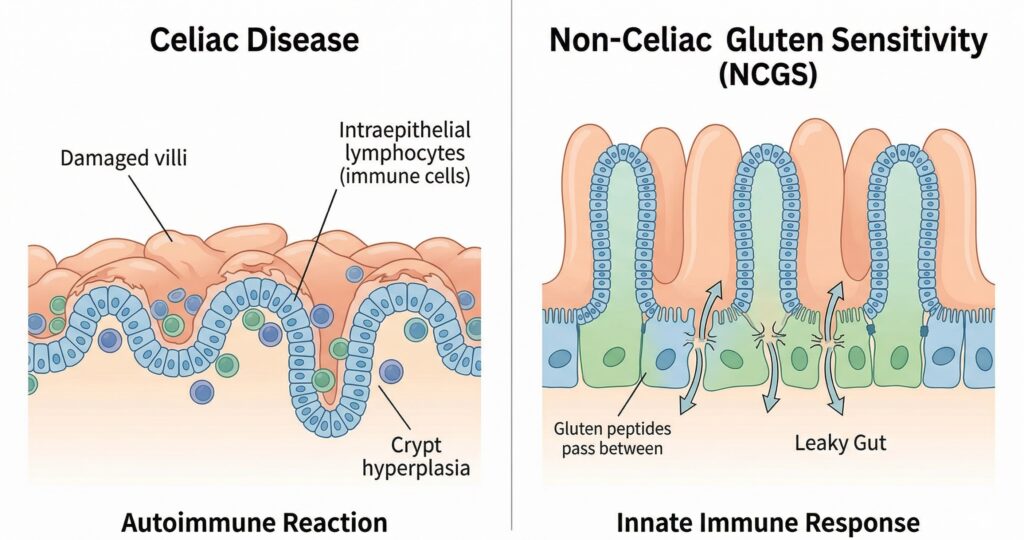
Feature Gluten Intolerance (Sensitivity) Wheat Allergy
System Involved             Digestive / Innate Immune System IgE-Mediated Immune System
Mechanism Difficulty digesting the protein; creates localized inflammation.     The body treats wheat as a literal toxin (like a bee sting).
Onset Delayed (hours or days after eating). Immediate (minutes to an hour).
Symptoms Bloating, “brain fog,” joint pain, fatigue. Hives, swelling, wheezing, or anaphylaxis.
Long-term Risk Chronic discomfort and low-grade inflammation. Potential for life-threatening respiratory distress.


The Microscopic Battleground: The Zonulin Key

The most significant breakthrough in understanding gluten reactivity involves a protein called Zonulin.

When certain individuals consume gluten—specifically the gliadin component—it triggers the release of Zonulin in the small intestine. Think of Zonulin as the “gatekeeper” of your gut lining. In a healthy state, your intestinal cells are knit tightly together by “tight junctions” to prevent undigested food and toxins from entering your bloodstream.

The Domino Effect

  1. Opening the Gates: Increased levels of Zonulin cause these tight junctions to pry open. This phenomenon is scientifically known as increased intestinal permeability, or “Leaky Gut.”
  2. The Immune Alarm: Once the gut lining is breached, undigested gluten fragments slip through into the underlying tissue.
  3. The Inflammatory Cascade: Your immune system sees these “intruders” and launches an attack. This is why gluten sensitivity doesn’t just stay in the stomach; it manifests as systemic issues like neuro-inflammation (brain fog) and systemic fatigue.


The “Perfect Storm”: Why Now?

Why does this happen to one person and not another? It’s usually a combination of a “Double-Lock” scenario:

  • Genetic Predisposition: Most people with significant gluten issues carry specific variants of the HLA-DQ2 or HLA-DQ8 genes. These act like “sensors” hyper-tuned to detect gluten fragments.
  • Debranched Breeding: Modern wheat has been bred for higher yields and “stretchier” dough, resulting in a higher concentration of the specific $D$-genome gluten proteins that are most reactive.
  • The Microbiome Shift: Our gut flora plays a massive role in pre-digesting gluten. When beneficial bacteria are missing due to diet or environment, the full force of the gluten protein hits the gut lining.
  • Fermentation Loss: Traditional long-fermentation processes (like authentic sourdough) allow wild yeast to break down inflammatory proteins before they reach your plate. In the modern fast-bread era, our stomachs do all the heavy lifting.


The Power of Knowledge: Decoding the Label

Navigating the “Gluten Synthesis” requires more than just avoiding wheat; it requires a deep understanding of food ingredients and their functions. In our modern food system, gluten and its derivatives often hide behind technical names or are used as functional additives for texture, stability, or shelf-life. When we stop viewing an ingredient list as “jargon” and start seeing it as a roadmap for our health, we reclaim power over our biology. Understanding why an ingredient is there—whether it’s a stabilizer, a hidden thickener, or a vital nutrient—is the first step in moving from reactive eating to proactive wellness.

Take Control with the Honest About Ingredients™ App

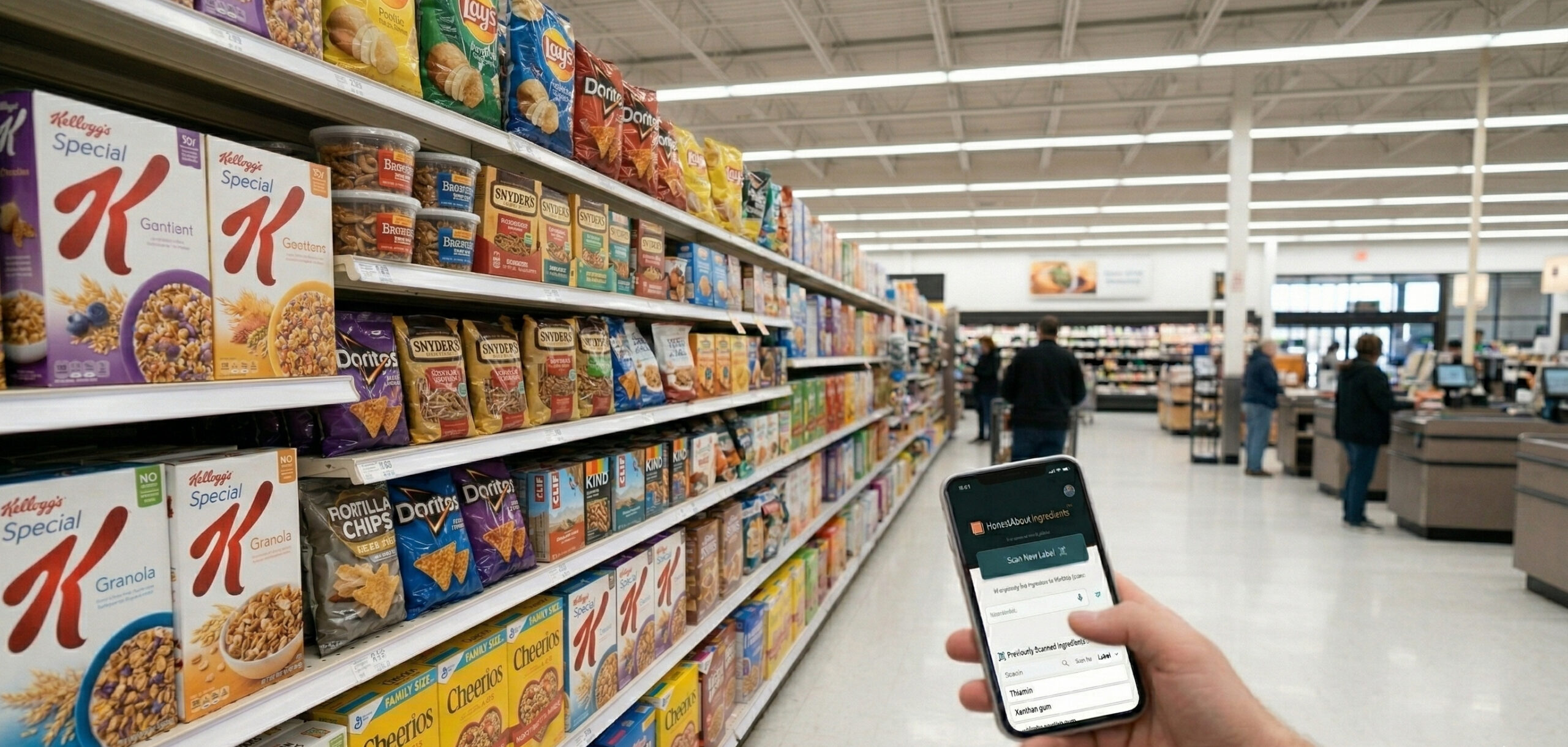
Tired of playing detective in the grocery aisle? Stop guessing and start knowing. The Honest About app is your revolutionary tool for total food transparency.

  • Scan & Know: Simply point your camera at any ingredient label to instantly identify what’s inside.
  • Plain Language: Get straightforward, no-jargon explanations of what every ingredient actually does in your food.
  • Go Deep: Access scientific details and FDA standards to make the most informed choices for your body.


Ready to eat with confidence? Download the Honest About Ingredients™ app on the App Store or Google Play today and finally understand what’s on your plate.

Decoding the Uptick: Why Colon Cancer is Rising in Young People—and How Your Fork is Your Strongest Defense

Until recently, we thought of colon cancer as a disease that only happened “later in life.” A tsunami of new data has upended that belief, revealing a startling rise among Gen Z and Millennials. While the reasons are complex, groundbreaking science now points toward one controllable factor that we hold in our hands every single day: our diet.


A decade ago, a colon cancer diagnosis in someone under 50 was a statistical outlier; today, it is a disturbing trend. New data reveals that while overall colon cancer rates are dropping in older adults (thanks to screening), they have been rising by about 1% to 2% every year in those under 50 since the mid-1990s. The good news is that understanding why this shift is occurring gives us the blueprint for pre-emption. By exploring the intimate connection between the food we eat, the way we prepare it, and the biology of our gut, we can reclaim control over our long-term health.


The Culprits: Why the Modern Diet May Be Fueling the Fire

While genetics and environmental factors play a role, the dominant hypothesis among scientists is that changes in lifestyle, particularly diet, are the primary drivers of this trend. Our modern food system has shifted dramatically, favoring convenience over chemistry.

  • Ultra-Processed Food (UPF) Overload: This isn’t just about “junk food.” It’s about foods that are radically altered from their original state, often containing additives, emulsifiers, and unnecessary industrial ingredients. A study published in The BMJ found that men who consumed the highest amounts of ultra-processed foods had a 29% higher risk of developing colorectal cancer. These foods are linked to chronic inflammation in the gut lining—a known precursor to cancer.
  • The “Western Diet” Trifecta: A diet high in red meat (beef, pork, lamb) and processed meats (bacon, deli meats, hot dogs) provides specific compounds—such as heme iron and nitrates—that can damage the cells lining the colon. In high concentrations, especially when coupled with low fiber, these compounds become carcinogenic.
  • Insulin Resistance and Inflammation: Diets high in added sugars and refined carbohydrates spike insulin levels and promote systemic inflammation. Chronic inflammation causes cells in the gut to mutate more frequently, increasing the risk of tumor formation.


The modern landscape is dominated by convenience, but these choices are often the primary drivers of inflammation and unnecessary ingredients.


The Defense: Harnessing the Power of Mitigating Foods

The core principle of prevention is addition, not just restriction. Certain foods and specific ingredients possess powerful chemical properties that actively mitigate the risks outlined above. According to the Harvard T.H. Chan School of Public Health, dietary patterns are one of the most significant modifiable risk factors we have.

  • The Fiber Revolution: Dietary fiber is the undisputed champion of colon health. It works through multiple pathways, most notably by feeding beneficial gut microbes that ferment soluble fiber into Short-Chain Fatty Acids (SCFAs), particularly butyrate. Butyrate is the primary energy source for the cells lining your colon; it strengthens the gut barrier and actively suppresses inflammation and cancer cell growth.
  • Calcium and Vitamin D: Evidence suggests calcium binds to harmful bile acids in the gut, neutralizing them before they can damage the colon wall. Combined with Vitamin D, these compounds exhibit protective, anticarcinogenic effects.
  • Antioxidants and Polyphenols: Found in colorful fruits, vegetables, green tea, and nuts, these compounds combat oxidative stress and neutralize free radicals—unstable molecules that can damage cell DNA.


The Ecosystem Approach: Putting it All Together

Dietary prevention is not about a “superfood”; it’s about a synergy. How you choose, prepare, and dose your ingredients determines their protective power. Think of your gut as a biological lab where this specific reaction needs to happen and it all works together like an ecosystem:

  1. Selection: Opt for polyphenol-rich olive oil rather than neutral seed oils, or whole oats rather than refined cereal.
  2. Synergy: Fiber needs hydration to function. Without enough water, high fiber can lead to discomfort. In the gut, fiber needs beneficial bacteria (often supported by fermented foods) to be converted into helpful butyrate.
  3. Preparation Matters: Grilling or frying red meats at high temperatures creates harmful chemicals called HCAs and PAHs. Switching to slow-roasting or steaming, and marinating meats in antioxidant-rich herbs, can significantly reduce these carcinogens.


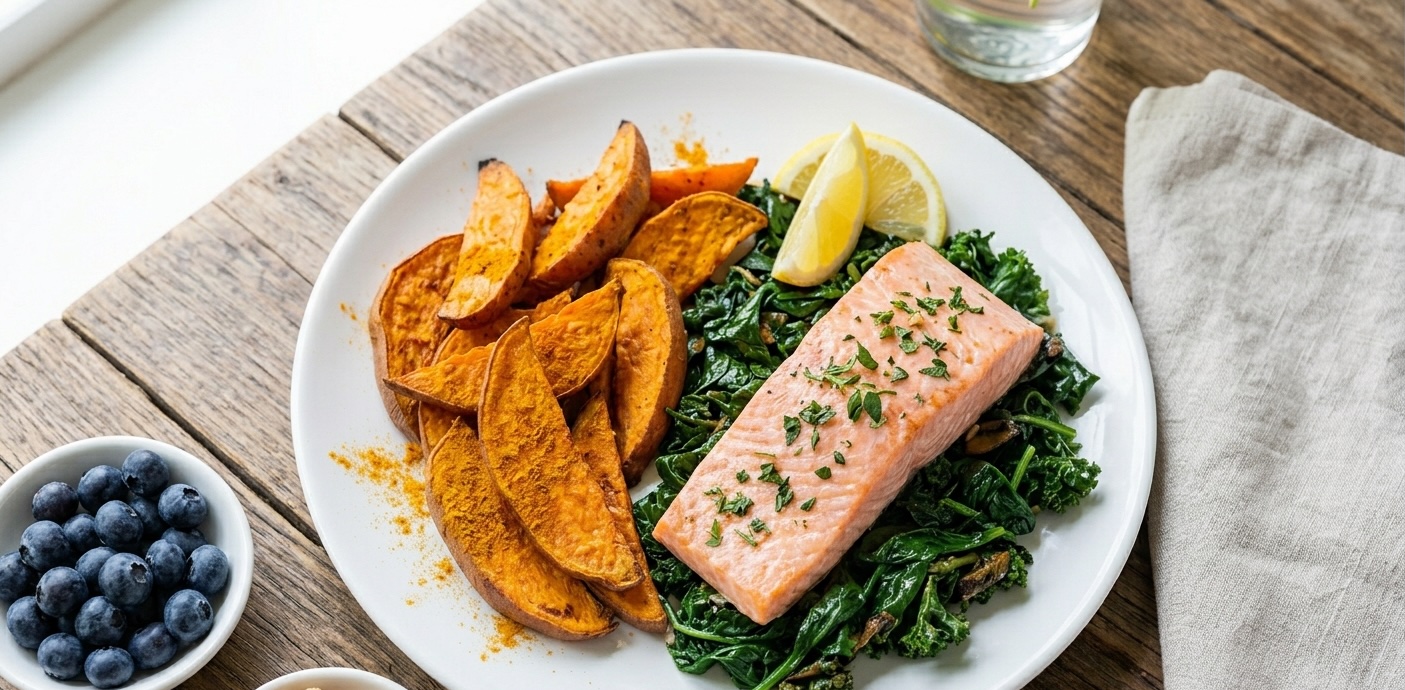
Using tools like the Honest About app allows you to visualize how a single meal—like this salmon and quinoa bowl—supports your gut's SCFA potential.

Practical Tips: Finding and Dosing Beneficial Ingredients

  • Read the Label (But Read Between the Lines): Ignore the “healthy” marketing on the front. Focus on the ingredient list on the back. Make sure you understand all the ingredients and why they are added to your products.
  • The Fiber Ladder: Aim for 25–38 grams of fiber daily. Don’t jump there in one day—increase your intake slowly by adding one fiber source (e.g., black beans in a salad, or an apple with skin) every three days to avoid bloating.
  • Smart Dosing: Think of certain foods as supplements. Instead of a large steak three times a week, use red meat as a flavor enhancer in a stir-fry that is primarily vegetables and whole grains.


Conclusion: The Challenge of Clarity

The link between diet and the uptick of colon cancer in young people is clear, scientifically sound, and hopeful. However, the biggest challenge is not motivation—it’s clarity. Our modern food landscape is complex. Ingredient lists are dense, often hiding harmful additives behind trade names. It is increasingly difficult for even the most health-conscious consumer to know precisely what they are putting into their bodies.


The Need for Understanding Ingredients and Function

We must bridge the gap between scientific knowledge and the grocery store shelf. Understanding food ingredients and how they function—whether they promote butyrate production or trigger inflammation—is no longer a niche interest; it is an essential survival skill. We need to become “fluent” in ingredients to take decisive action.


Empower Your Body, One Ingredient at a Time

Taking control of your health requires accurate information. If you find ingredient lists confusing and want a tool that translates complexity into clarity, we built something for you. The Honest About App empowers you with immediate, scientific data about exactly what is in your food. Stop guessing and start knowing.

Eating for Immunity: The Science-Backed Diet Guide to Precision Resilience

The human immune system is not a single entity; it’s a sophisticated, highly complex network that requires harmony and balance to function. When we talk about ‘boosting’ the immune system, we are really talking about supporting its intricate pathways so it can deploy its defenses efficiently.


Imagine a biological fortress: a sturdy structure is essential, but it also requires an energetic army, constant communication, and a vast arsenal. For context, we often discuss specific partnerships that build this structure—like how Vitamin D and Calcium assist with bone health. While Vitamin D ensures efficient calcium absorption, it also has a crucial immunomodulatory role that is just beginning to be understood. But we cannot build an army from bricks alone. Your immune response requires high-quality protein to construct and repair its network of cells, iron to transport oxygen (the basic energy for cell function), and selenium to protect cells from damage during high-stakes battles.

True biological resilience relies on a synergistic combination that works together from a nutrition-first approach. Let’s explore how to construct that defense.

Vibrant, raw ingredients—spinach, peppers, seeds—highlighting nutritional synergy.

The Pillars of Defense: Why Specific Ingredients are Essential

A truly effective immune-supporting diet provides a synergistic blend of raw materials. This section explains the scientific reasoning and importance of these essential ingredients.

  • Vitamin C (Ascorbic Acid): A potent antioxidant that protects immune cells from oxidative stress and stimulates the production of white blood cells (leukocytes) to fight infection.
  • Zinc: A trace mineral critical for the development and signaling of immune cells. Zinc deficiency is known to significantly impair both innate and adaptive immunity.
  • Vitamin D (Cholecalciferol): Acts as an immune modulator, helping prevent the system from overreacting (inflammation) while enhancing the pathogen-killing effects of macrophages.
  • Protein: The literal building block of life. Immune cells, antibodies, and signaling molecules are all constructed from proteins; insufficient intake directly impairs cellular deployment.
  • Iron: Essential for oxygen transport via hemoglobin. This fuels the rapid metabolism immune cells need during activation and maturation.
  • Selenium: A key component of antioxidant enzymes that protect immune cells from the “friendly fire” of oxidative damage generated during pathogen battles.
  • There are many other nutrients that play a smaller role in your immune system’s health which are not covered in this blog.


Typical Foods and Nutrient Sourcing

To provide your biological fortress with its best ammunition, focus on complex, whole foods.

Nutrient              Top Food Sources                                                              Functional Benefit
Vitamin C Red bell peppers, citrus, broccoli, strawberries Cellular protection & WBC stimulation
Zinc Oysters, pumpkin seeds, chickpeas, red meat Intracellular signaling & defense coordination
Vitamin D Fatty fish (salmon), egg yolks, safe sunlight Immune modulation & inflammation control
Protein Lean meats, lentils, quinoa, eggs Antibody construction & tissue repair
Iron Spinach, lentils, lean beef, tofu Oxygen transport & immune cell energy
Selenium Brazil nuts, tuna, halibut, cottage cheese Antioxidant sentry & cell integrity


Synthesis: How the Food Matrix Works Together

Nutrition is not about isolating variables; it is about the food matrix. How we prepare and consume these ingredients dictates their effectiveness.

Taste, Nutrition, and Preparation:

Maximizing synergy also affects your culinary approach. Many immune-supporting vitamins (like A, D, and E) are fat-soluble, meaning they require healthy fats (like olive oil or avocado) to be absorbed.

  • The Synergy Hack: Consuming Vitamin C-rich foods (like peppers) alongside non-heme iron (like spinach or lentils) significantly increases iron absorption.
  • Cooking Method: Lightly steaming or roasting vegetables preserves water-soluble nutrients (like Vitamin C) that are often lost in heavy boiling.

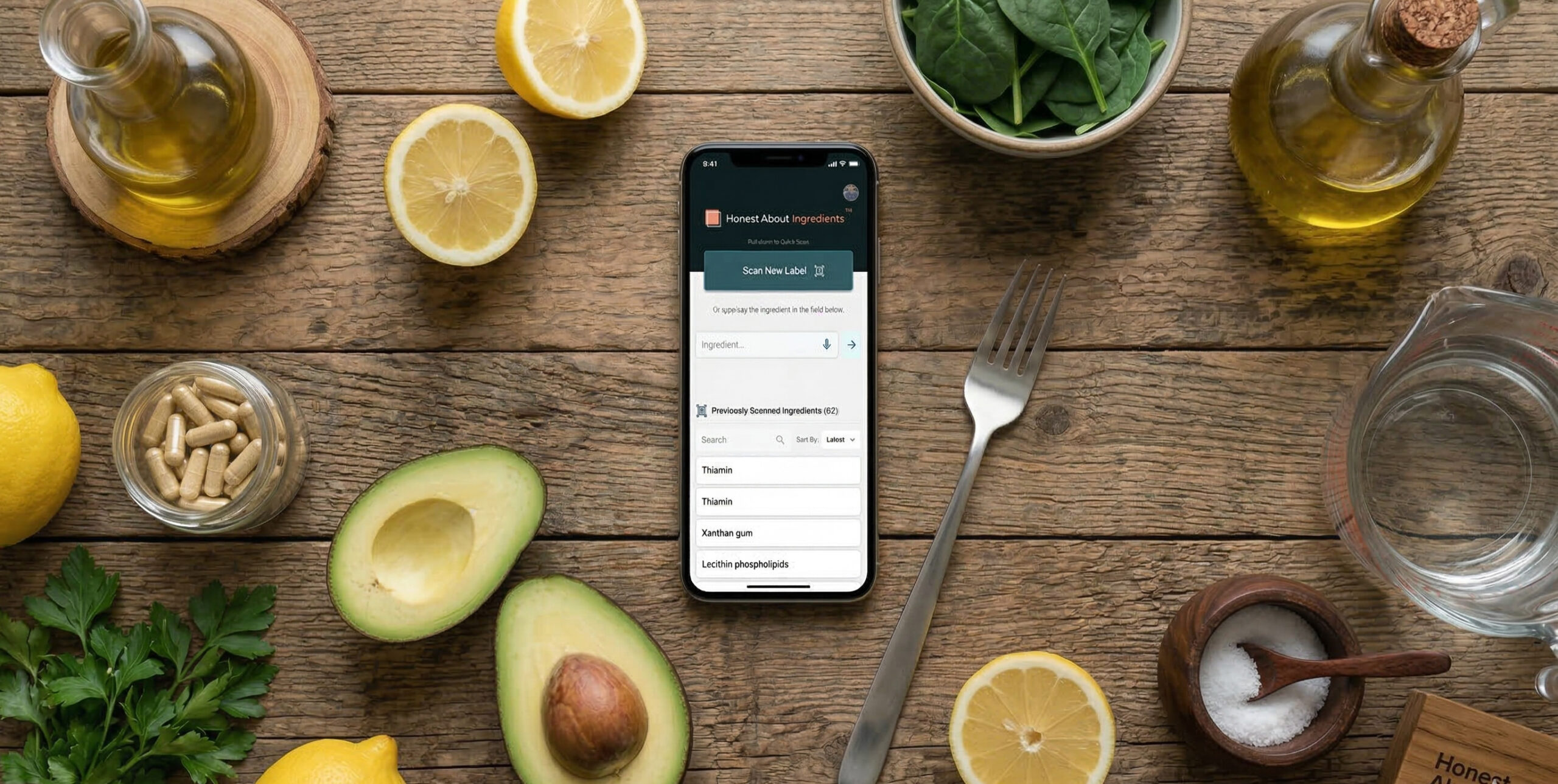
A clean flat lay connecting raw ingredients—avocado, lemon—with the digital transparency of the "Honest About" app interface, which analyzes nutrient data for precision nutrition.

Understanding Sourcing and Dosing

Navigating nutrient density is a significant modern challenge. While whole foods are the primary source, modern agricultural practices can vary the nutrient levels in your food.

Dosing vs. Deficiency:

When boosting immunity through diet, the goal is appropriate intake, and not reaching toxic levels. Recommended Dietary Allowances (RDAs) provide a baseline to prevent deficiency, but optimization for high-performance immunity may require slightly higher, consistent intakes. However, exceeding the Tolerable Upper Intake Level (UL)—especially for minerals like Zinc, Iron, or Selenium—can cause toxicity or interfere with the absorption of other vital nutrients.


Conclusion: Uses and Challenges

Adopting a diet rich in these nutrients is a proactive step toward long-term resilience and faster recovery. However, maintaining this is challenging. Modern lifestyles prioritize convenience over density, and the proliferation of “fad” supplements often masks the need for the complex co-factors found in your food choices. True immune strength is a functional strategy, not just a caloric one.


The Need for Nutritional Literacy

To build a resilient foundation, we must evolve beyond passive consumption. Understanding the specific function and purpose of ingredients like Iron and Selenium is foundational. By mastering the science behind the food matrix, we empower ourselves to make precise decisions, turning every meal into functional fuel.


Get Honest About Your Food

Navigating nutrient density shouldn’t be a guessing game. The Honest About app provides instant, scientifically vetted transparency.

  • How to use it: Scan any product label or search for any ingredient.
  • What you get: An instant analysis of the ingredient list, cross-referenced with established data to provide you with the necessary information about your nutrition.

Beyond Calcium: How Vitamin D is the Secret Key to Bone Health

You know calcium builds strong bones, but without its essential partner, Vitamin D, your body is just leaving that strength on the table.

We all grew up hearing that a glass of milk is the ultimate secret to building strong bones. And while calcium (which is plentiful in milk) is indeed the primary construction worker in the architectural masterpiece that is your skeletal system, it turns out that it also needs a crucial assistant. Welcome to the biological partnership of Vitamin D and Calcium—a dynamic duo responsible for your structural integrity. Far from just a simple checklist, understanding how these two nutrients interact is the difference between simply consuming minerals and actually absorbing them. This synergistic relationship is the very foundation of lifelong health.


Why specifically Vitamin D and Calcium are essential for bone health

The human skeleton is a living, remodeling organ. Its resilience relies heavily on bone mineral density, a measurement largely determined by calcium content. Calcium provides the structural hardness of bones and teeth; 99% of your body’s calcium is found here. Beyond skeletal strength, calcium is critical for vital functions including blood clotting and nerve signaling. If your dietary intake is insufficient, your body will harvest it from your bones to maintain these functions.

This is where Vitamin D becomes essential. Its primary role is enhancing calcium absorption from the gut. Without sufficient Vitamin D, your body is physically incapable of absorbing adequate calcium, regardless of how much you eat. Low Vitamin D leads to inefficient calcium metabolism, a leading contributor to conditions like osteoporosis. 


How are these ingredients included in typical foods

Ideally, these ingredients are obtained through a varied diet:

  • For Calcium: Dairy products like yogurt and cheese are highly bioavailable. Plant-based stars include kale, collard greens, and fortified tofu.
  • For Vitamin D: This is more elusive. It’s found naturally in fatty fish (salmon, mackerel) and egg yolks. However, many people rely on fortified foods like orange juice and cereals to meet their daily needs.
  • For both ingredients high quality supplements can be a suitable choice to meet your daily needs. 


How does it all work together: Taste, Nutrition, and Prep

The synergy between these nutrients isn’t just biological; it’s culinary. Because Vitamin D is fat-soluble, your body absorbs it much more effectively when consumed with dietary fat. This is why a salmon (Vitamin D and healthy fats) and spinach (Calcium) salad isn’t just a tasty pairing—it’s a high-performance nutritional strategy.


How to understand where to find these ingredients

To find these ingredients, you must transition from passive consuming to active label interpretation. Manufacturers often list Vitamin D and Calcium on the Nutrition Facts panel. A food is generally considered “high” in a nutrient if it provides 20% or more of the Recommended Daily Value (%DV). However, the real challenge is identifying hidden ingredients and understanding how fortification affects the product’s quality and effectiveness.


Use and Challenges

Vitamin D deficiency remains a challenge due to modern indoor lifestyles. Furthermore, recent research highlights that the timing and balance of these ingredients are just as important as the dosage. The goal isn’t to max out one nutrient, but to achieve a stable balance that maximizes your healthy intake and prevents the body from “borrowing” from your bone banks.


The Need to Understand Food Ingredients and Their Function

This intricate dance highlights a larger truth: understanding the function of food ingredients is vital. True wellness requires agency. When you learn why specific compounds are in your food, you transition from following trends to actively engineering your own health. You can find more resources on managing this balance through the Honest About app. 


Get Honest About Your Health

Stop guessing about your bone health. The relationship between Vitamin D and calcium is just the beginning of the crucial synergies hiding in your food. To confidently navigate your nutrient intake, download the Honest About app today.

Our platform translates complex labels into clear intelligence. Use the app to scan product labels rather than UPC codes to instantly see if they actually meet your nutritional needs.

The Metabolic Powerhouse: Unlocking Liver Health Through Functional Ingredients

Unlock enhanced liver and metabolic function by incorporating specific ingredients. Beyond merely tackling fatty liver, powerful ingredients such as Choline, Omega-3s, and Sulforaphane work synergistically to mobilize stored fats and counteract oxidative stress, thus promoting complete metabolic restoration.

Your liver is a silent powerhouse, executing over 500 vital functions every single day, from detoxifying your blood to regulating metabolism. But for the millions of people navigating the challenges of fatty liver, this crucial organ is facing an uphill battle against modern dietary choices. What if the solution wasn’t found in a magic pill, but deeply rooted in the food supply you interact with every day? Understanding the specific molecules and functional compounds found within whole foods can transform your kitchen into a sophisticated tool for metabolic restoration.

Fatty liver disease, particularly Non-Alcoholic Fatty Liver Disease (NAFLD), arises from an imbalance where fat accumulation in liver cells outpaces the organ’s ability to metabolize it. The right ingredients, however, can tip the scales. They function through several scientific mechanisms: reducing oxidative stress (which damages liver cells), improving insulin sensitivity, and directly facilitating the transport and breakdown of lipids (fats). By choosing these functional components, you aren’t just eating; you are providing your body with targeted biochemistry to support cellular repair and efficient metabolic signaling.


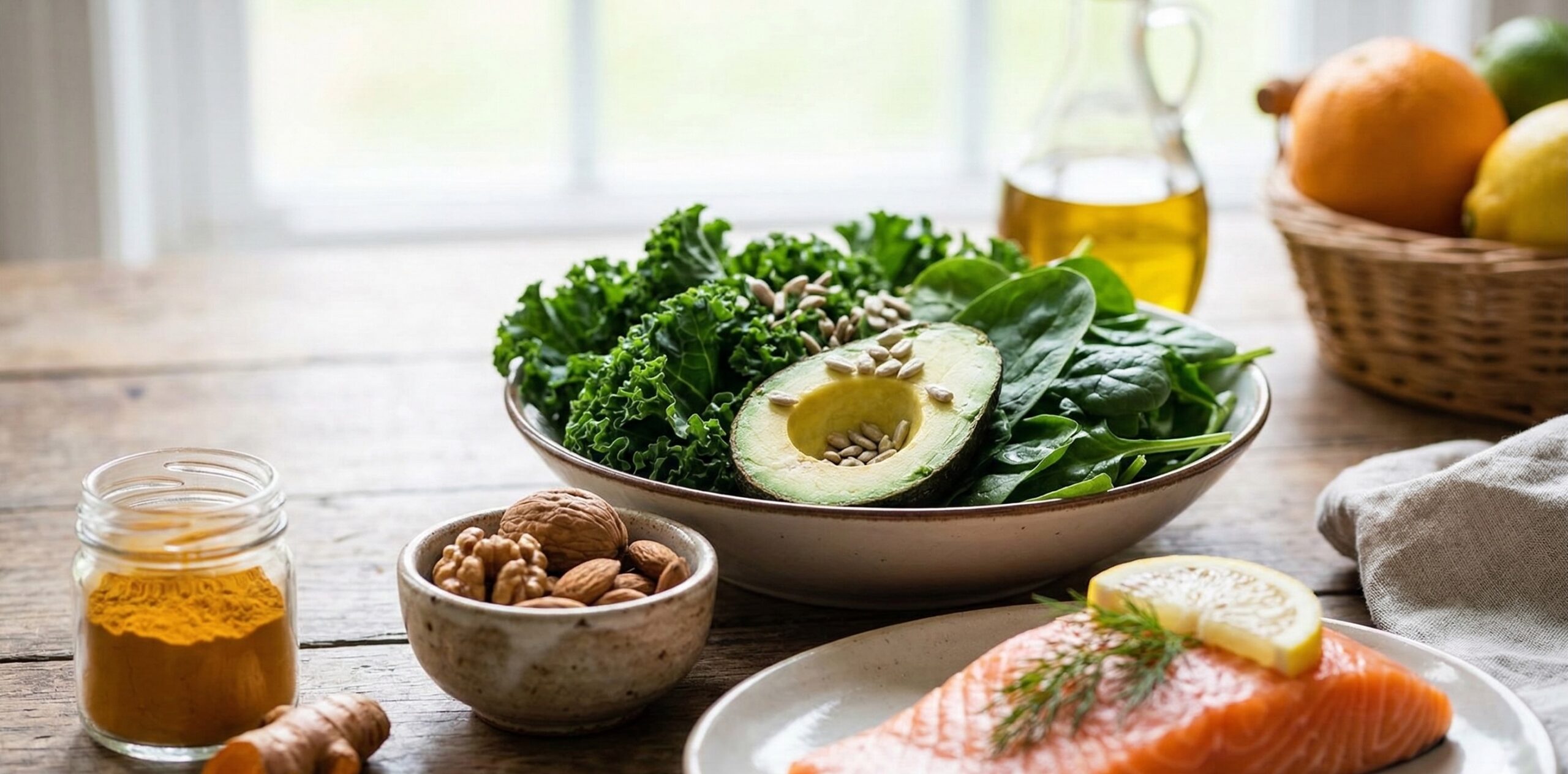
A table featuring a seared salmon fillet garnished with lemon, a bowl of walnuts, and a jar of turmeric. A nutrient-dense kale and avocado salad highlights fresh, whole ingredients essential for metabolic and liver health.


The Essential Toolkit: Ingredients That Fuel Your Liver

For optimal liver support, especially when addressing fatty liver, specific compounds are critical. These aren’t just arbitrary choices; they are identified through biochemical research.

  • Choline: A critical precursor to acetylcholine (a neurotransmitter) and phosphatidylcholine, which is essential for transporting fats out of the liver. Without sufficient choline, lipids get trapped, accelerating fat accumulation.
  • Omega-3 Fatty Acids (EPA & DHA): These powerful, anti-inflammatory fats, primarily found in marine sources, are scientifically shown to help reduce liver fat, lower triglycerides, and reduce inflammation, which is key to preventing the progression of fatty liver.
  • Sulforaphane: A potent antioxidant activator found in cruciferous vegetables. It induces the liver’s Phase II detoxification enzymes, significantly increasing its ability to neutralize harmful substances and reducing oxidative damage.
  • Curcumin: The active compound in turmeric, prized for its extreme anti-inflammatory properties. It helps mitigate the chronic inflammation that often accompanies NAFLD, protecting the liver tissue from scarring.

Harnessing Nature’s Biochemistry for Vitality

Integrating these ingredients goes beyond simply ticking a nutrient box; it’s a strategy for systemic health. They can work synergistically in a typical preparation. 

Imagine a dinner of baked salmon (packed with Omega-3s), served alongside a generous portion of steamed broccoli with a sprinkle of chopped walnuts (a plant-based Omega-3 and Choline source). By steaming the broccoli, you preserve the sulforaphane-producing enzymes, which are heat-sensitive. The high lipid content of the salmon and walnuts simultaneously increases the absorption of the curcumin if you happen to season your salmon or a side dish with turmeric and black pepper (piperine, from pepper, boosts curcumin absorption by 2,000%). This synergistic approach maximizes the bioactive potential of every bite, combining delicious preparation with calculated nutritional function.

Navigating the Food Supply: Finding the Genuine Article

Knowing what you need is only half the battle. Our globalized food supply chain can obscure the true origin and nutritional density of ingredients. Many products are rich in these vital ingredients:

  • Choline: Focus on whole eggs (especially the yolk), lean cuts of meat, and poultry. Plant sources include soybeans, quinoa, and cruciferous vegetables, but in lower concentrations.
  • Omega-3s (EPA/DHA): Prioritize cold-water, fatty fish like wild-caught salmon, mackerel, and sardines. Algal oil supplements are excellent vegan alternatives providing EPA and DHA.
  • Sulforaphane Precursors: These are highly concentrated in raw or lightly cooked cruciferous vegetables: broccoli (especially broccoli sprouts), Brussels sprouts, kale, and cauliflower.
  • Curcumin: Find this in whole turmeric root (fresh, resembling ginger) or high-quality dried turmeric powder. For maximum efficacy, consider standardized extracts that ensure a reliable concentration of curcuminoids.

The critical challenge is navigating misinformation. Labels can be misleading – “all-natural” doesn’t always guarantee nutrient density. To ensure your liver gets the functional components it needs, the most dependable approach is to prioritize foods that are clearly labeled and have transparent sourcing.


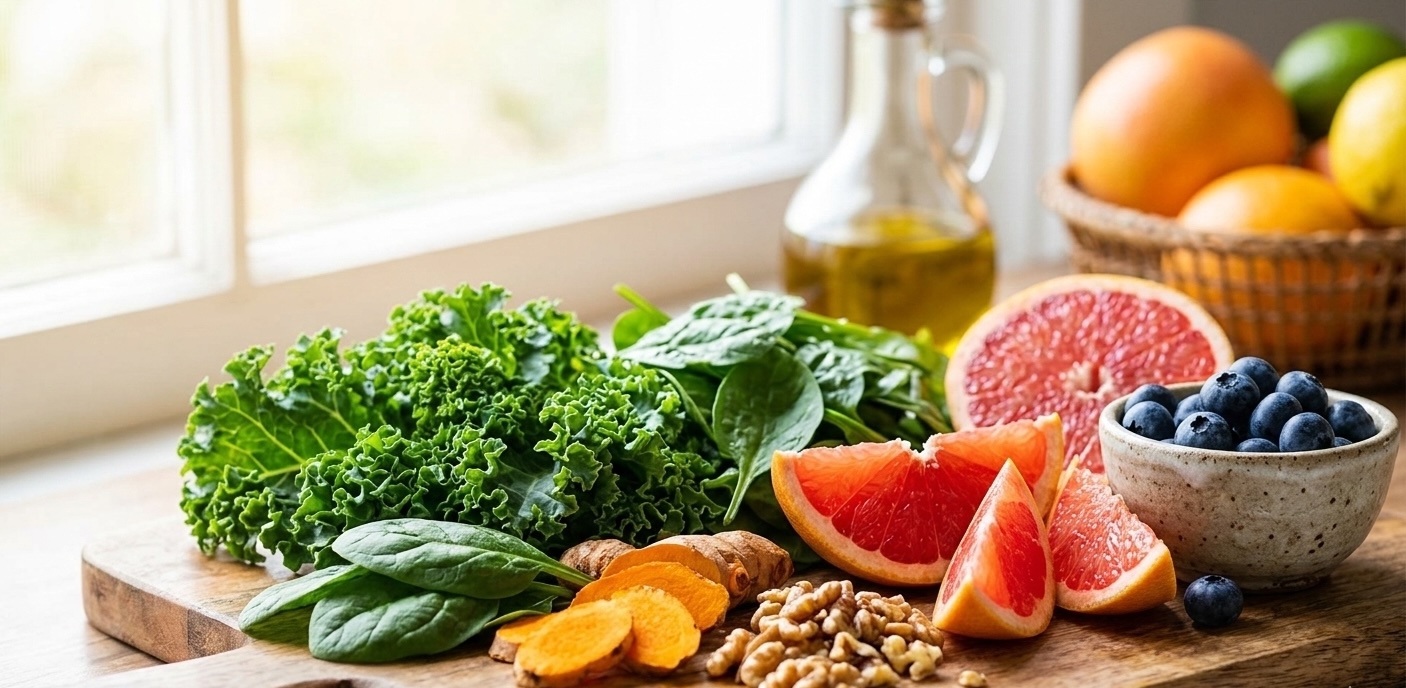
Key liver-supporting ingredients: deep green kale and spinach leaves, bright yellow turmeric root slices, rich pink grapefruit segments, walnuts, and blueberries.


Conclusion: The Strategic Path Forward

Implementing a food-as-medicine approach requires both strategic planning and practical adaptation. The primary challenge is often convenience and consistent execution. However, the uses are profound. This approach is not a short-term intervention but a foundation for sustained metabolic health, preventing the progression of undesired results and supporting the systemic vitality that flows from a healthy liver.

The modern landscape of available foods makes it easier than ever to consume compounds that stress the liver while depriving it of the molecules it requires for repair. Understanding the deep function of food ingredients is no longer a niche hobby; it is an essential survival skill in the 21st century. Your liver is a sophisticated metabolic factory; by understanding its biological needs, you empower yourself to provide the precise raw materials it requires to thrive. The power of functional nutrition lies in its ability to harness complexity for your long-term health.

Take Control of Your Health Journey

We’ve explored the complex biochemistry of liver health, but bridging the gap between scientific knowledge and your daily food choices can be the ultimate challenge. How do you track these specific functional ingredients? How can you ensure you are consistently sourcing and preparing foods in a way that truly benefits your liver? That’s where the right technology can provide critical clarity.

Take the guesswork out of navigating the grocery store and optimizing your intake. Use the Honest About app. Honest About provides detailed, transparent information on thousands of compounds and ingredients in products and foods. Discover exactly which items contain Choline, Omega-3s, and Sulforaphane precursors. Get the clarity you need and track your functional nutrient intake to build a lifestyle that supports real, measurable liver health. Don’t just guess about your nutrition; get the facts about it. 

The Microbiome Link: How Fermented Foods and Vitamin K Transform Your Health

Ever wondered if there was a secret handshake between your gut and your entire body’s well-being? Turns out, there is, and it involves a powerful partnership you might be overlooking: fermented foods and Vitamin K.


Your Gut’s Hidden Superpowers

In the quest for optimal health, two often-underestimated players are gaining significant scientific attention: fermented foods and Vitamin K. Far from being fleeting wellness trends, these nutritional powerhouses offer profound, evidence-backed benefits that stretch from your digestive tract to your bones, heart, and beyond. This isn’t just about probiotics; it’s about an intricate dance within your gut microbiome that directly influences the production and absorption of essential nutrients, particularly the often-elusive Vitamin K. Get ready to discover how cultivating a vibrant inner ecosystem with fermented delights can unlock a cascade of health transformations.


A colorful assortment of fermented foods, including jars of kimchi, sauerkraut, pickles, and vegetables on a rustic wooden table.

The Dynamic Duo: Essential Ingredients

To harness this synergy, you need the right building blocks. Here is what is essential for fermentation and Vitamin K production:

  • For Fermentation (The Precursors):
    • Fibrous Vegetables: Cabbage, cucumbers, and carrots provide the prebiotics that beneficial bacteria (like Lactobacillus) need to thrive.
    • Quality Starter Cultures: Whether it’s the natural yeasts in the air for sourdough or specific strains for yogurt and kefir.
    • Non-Iodized Salt: Crucial for suppressing “bad” bacteria while allowing “good” microbes to flourish.


  • For Vitamin K (The Sources):
    • Vitamin K1 (also called phylloquinone): It has long been studied and is mostly associated with plant-based foods and is found in leafy greens like kale, collard greens, spinach, brussel sprouts and broccoli.
    • Vitamin K2 (also known as menaquinone): Its health benefits are only recently becoming clearer. Research is suggesting that Vitamin K2 may make a longer-lasting impact on your health than vitamin K1.This is the “fermentation miracle.” It is synthesized by bacteria and found in high concentrations in Natto (fermented soy), sauerkraut, certain aged cheeses (Gouda, Brie), and dairy products like kefir.


How These Ingredients Power Your Health

  • Digestive Efficiency: Fermentation breaks down “anti-nutrients” (like phytic acid), making the minerals in your food more bioavailable.
  • The Bone-Heart Connection: Vitamin K2 acts as a traffic controller for calcium. It ensures calcium is deposited in your bones and teeth (where it’s needed) rather than your arteries (where it can cause stiffening).
  • Immune Resilience: A gut enriched by fermented foods trains your immune system to distinguish between friend and foe, reducing chronic inflammation.


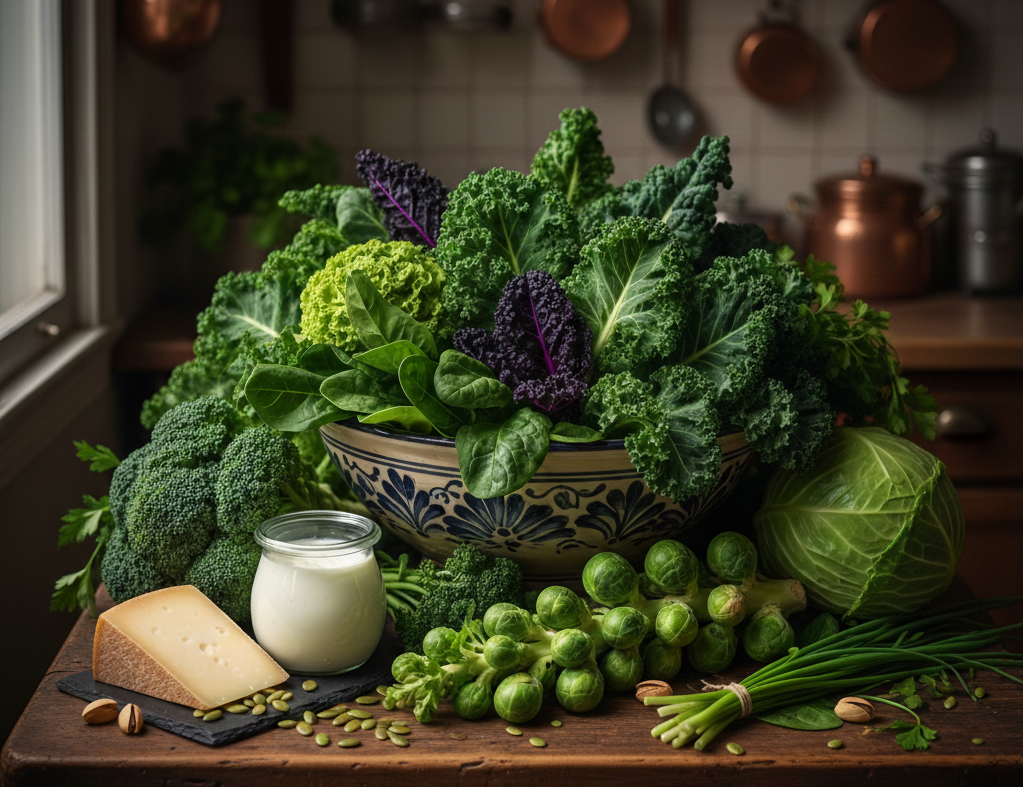
Top sources of Vitamin K1 and K2: leafy green vegetables, broccoli, aged cheese and fermented foods for bone and heart health.


The Symphony of Synergy: Preparation and Taste

How does it all work together? It’s a balance of taste, nutrition, and preparation.

  • Taste: Fermentation adds “umami”—that savory, deep flavor profile. For some, pairing the tang of sauerkraut with Vitamin K1-rich greens creates a complex, satisfying meal.
  • Preparation: Simple methods like lacto-fermentation (submerging veggies in brine) naturally increase the Vitamin K2 content of your food over time.
  • Where to find them: Look for “Live and Active Cultures” on labels in the refrigerated section. Avoid shelf-stable pickles or kraut, as the pasteurization process kills the beneficial microbes.


Uses and Challenges

Incorporating these foods is a powerful lifestyle shift, but it isn’t without challenges. The modern palate is often used to high-sugar, processed foods, making the tartness of fermented items an acquired taste. Additionally, for those with specific gut sensitivities like SIBO, introducing fermented foods must be done slowly. However, the long-term use—stronger bones, clearer skin, and a robust metabolism—far outweighs the initial adjustment period.


The Need for Food Literacy

To truly take control of your health, you must understand food ingredients and their functions. We live in an era of “label confusion,” where marketing terms often mask a lack of true nutritional value. Understanding the functional role of Vitamin K, its variations and the biological process of fermentation empowers you to choose foods that act as medicine rather than just fuel.


Be Proactive with the Honest About app 

Ready to take the guesswork out of your grocery trip? Understanding what’s actually in your food is the first step toward a healthier microbiome.

Download the Honest About app today to scan ingredients, decode labels, and find the best fermented, Vitamin K-rich foods for your unique health goals. Start eating with intention!